
HOW TO CATCH LOBSTER IN TURKS AND CAICOS
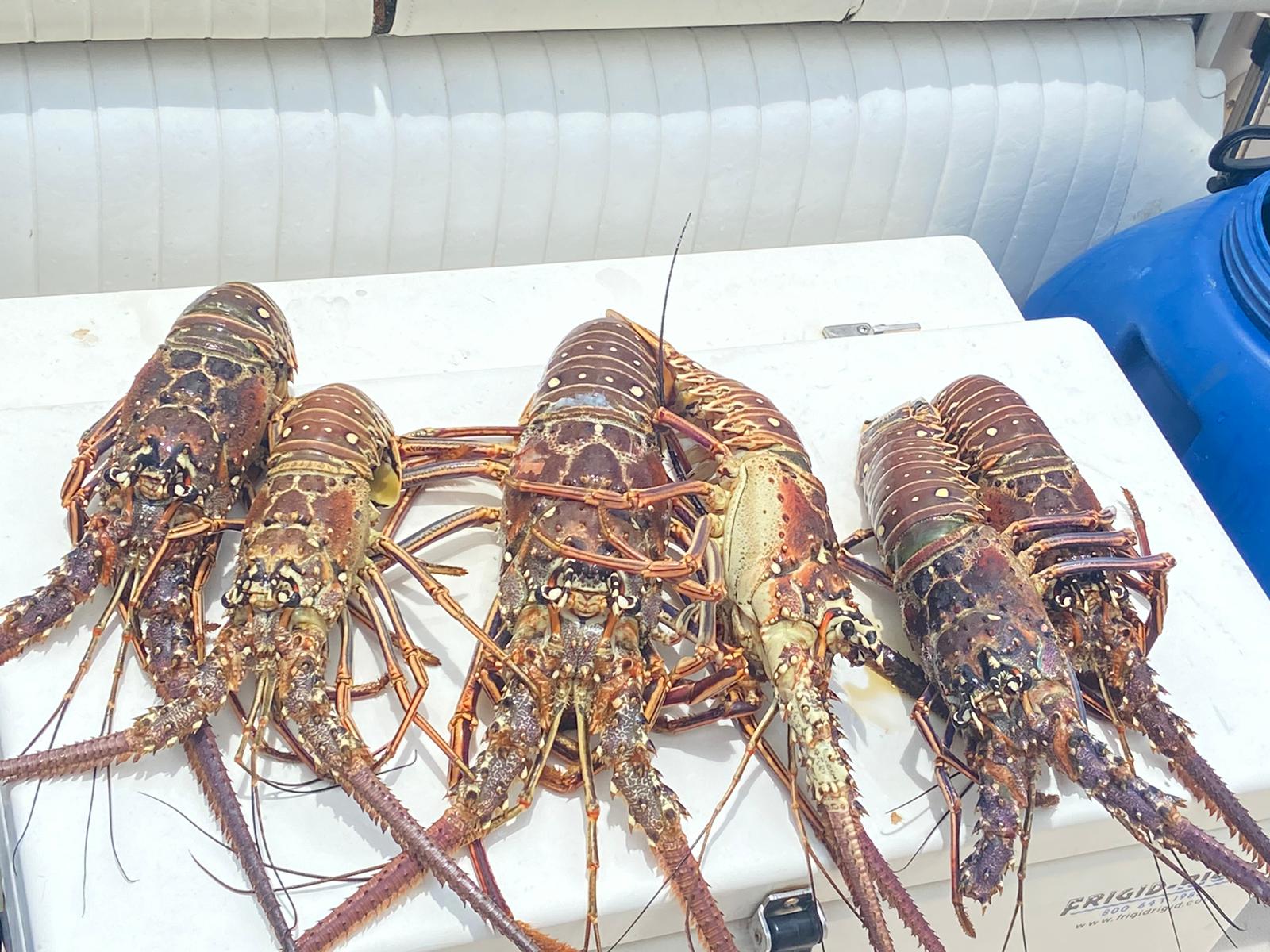
Nestled in the clear, shallow waters of the Turks and Caicos Islands, catching Caribbean spiny lobster is one of the most unique hands-on experiences visitors can enjoy. Unlike traditional lobster fishing in colder climates, lobster hunting here is an active, in-the-water adventure that combines snorkeling, reef exploration, and sustainable harvesting.
Whether you are planning your trip during lobster season or simply looking for a unique experience in Providenciales, learning how lobster is caught can add a new dimension to your visit. Working with experienced local guides also makes the experience safer, more successful, and far more enjoyable.
When Is Lobster Season in Turks and Caicos?
Lobster season in Turks and Caicos runs annually from August 1 through March 31. During these months, Caribbean spiny lobster are legally harvestable and plentiful along the island’s reefs, ledges, and sandy bottom structures.
This is an exciting time locally. The opening of the season is treated almost like a holiday, with boats heading out early in the morning and restaurants preparing for months of fresh-caught lobster featured across island menus.
Outside of these dates, harvesting lobster is strictly prohibited to protect breeding populations and maintain a healthy marine ecosystem.
What Makes Catching Lobster Here So Different?
Catching lobster in Turks and Caicos is not done with traps or large commercial gear. Instead, it is a visual, free-dive style of fishing practiced in shallow, crystal-clear water.
Lobsters live tucked into:
- Coral heads
- Rocky crevices
- Reef ledges
- Sandy-bottom shelters near structure
Because visibility is excellent, guides locate lobster by snorkeling over reefs and spotting their long antennae extending from hiding places.
This turns the experience into something closer to an underwater treasure hunt than traditional fishing.
How Lobster Are Caught: The Loop and Snare Method
In Turks and Caicos, lobsters are caught using a traditional and highly controlled technique known as the loop and snare. Rather than using traps or nets, guides use a small pole fitted with a gentle loop to carefully secure the lobster. This approach allows fishermen to target only legal-sized lobster while avoiding damage to coral reefs or surrounding marine life. Because it is precise and selective, it is considered one of the most sustainable harvesting methods used anywhere in the Caribbean.
There is no chasing, grabbing, or disturbing the environment. The process requires patience, accuracy, and an understanding of lobster behavior, which is why fishing with experienced local captains greatly improves both success and safety.
Why a Guided Charter Is the Best Way to Catch Lobster
Visitors cannot simply enter the water at random locations and expect to find lobster. Knowing where to go, how to approach the reefs, and how to follow local harvesting regulations is essential. A licensed charter provides access to proven lobster grounds along with guidance on seasonal rules, size limits, and responsible collection practices.
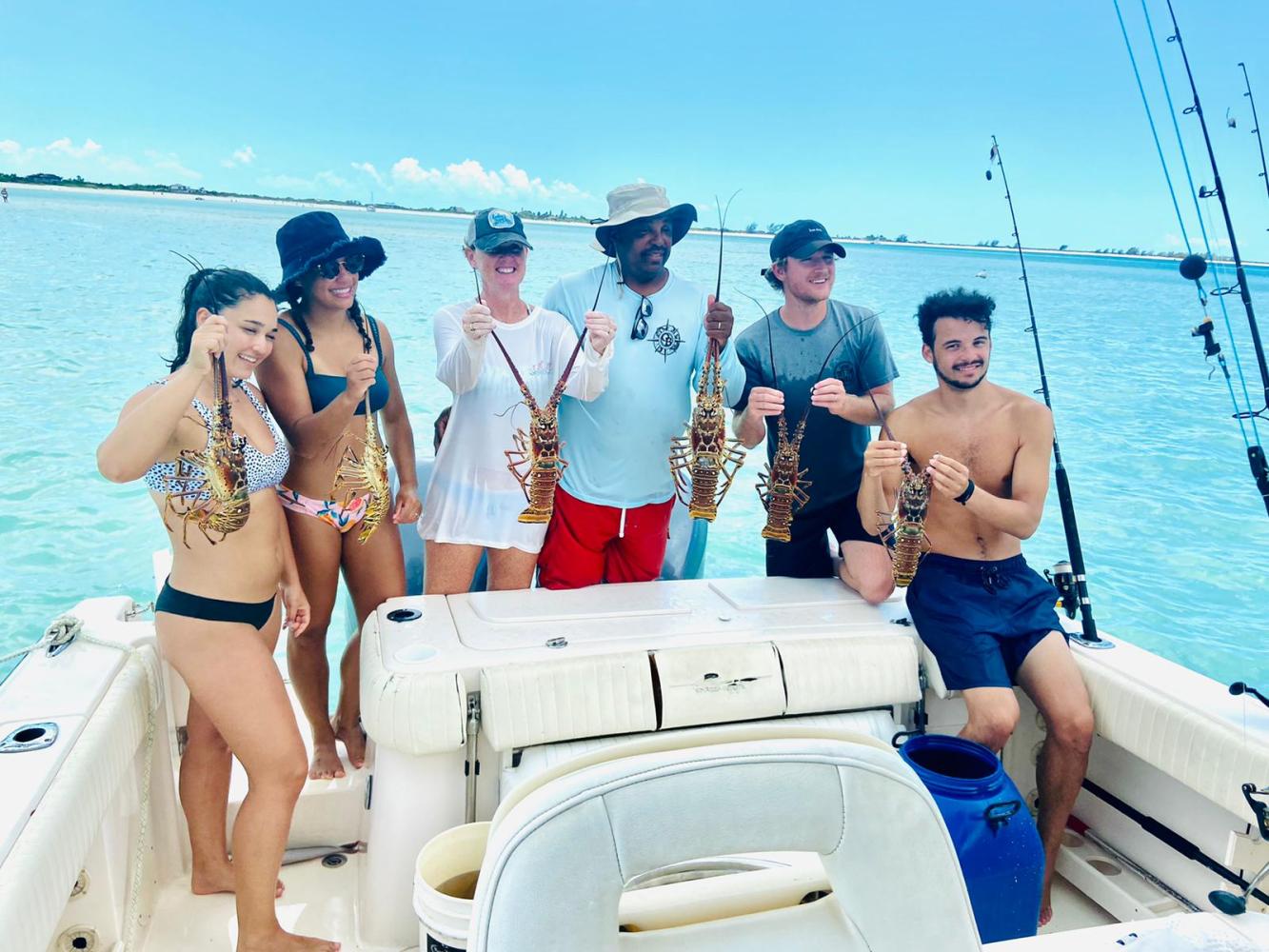
Charters also supply the proper equipment, safety supervision, and hands-on instruction that make the experience approachable for beginners. Many trips combine lobster hunting with reef bottom fishing, creating a full day on the water that highlights the rich marine life and natural beauty of Turks and Caicos.
Caribbean Spiny Lobster vs. Maine Lobster
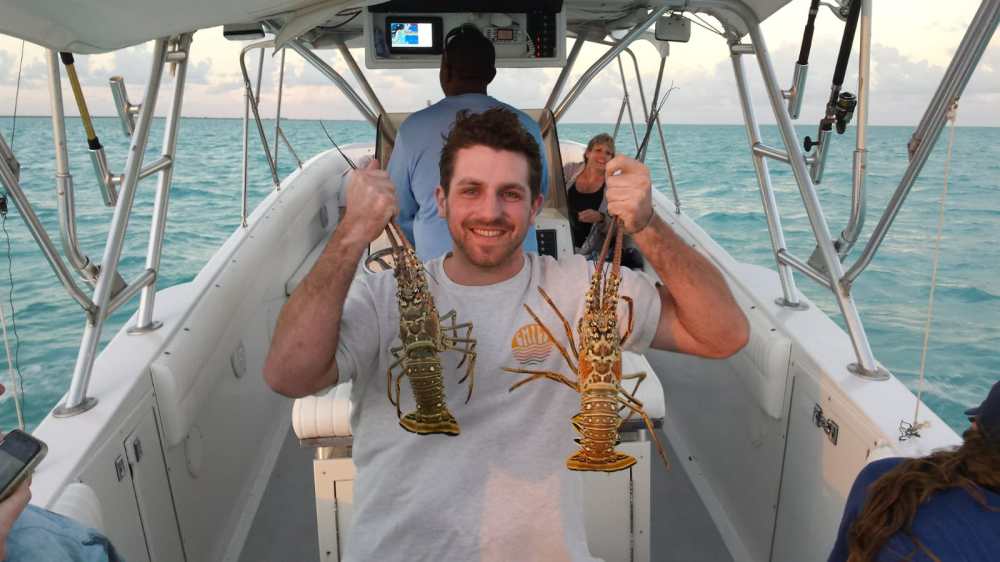
Many visitors are surprised to learn that Caribbean lobster is entirely different from the cold-water lobster found in the northeastern United States. The species found in Turks and Caicos is the Caribbean spiny lobster, which lacks the large front claws people often associate with lobster. Instead, it has long antennae and a spiny shell and lives among warm, shallow reefs rather than deep ocean waters.
Because of its habitat and biology, the meat is found primarily in the tail and is known for being tender, light, and slightly sweet. It is most often prepared grilled, broiled, or incorporated into fresh island-style dishes that highlight its natural flavor.
Cold-water lobster, by contrast, has large claws, lives in the chilly depths of the North Atlantic, and is commonly boiled or steamed. Its meat tends to be firmer and richer in taste. The Turks and Caicos variety is prized for its delicate texture and exceptional freshness, often going from ocean to table the very same day.
Sustainability and Local Regulations Matter
The islands maintain strict conservation rules to ensure lobster populations remain healthy for future generations.
Key regulations include:
- Harvest allowed only during official season
- Minimum size requirements enforced
- Protection of egg-bearing females
- No traps or destructive collection methods
Fishing with a licensed operator ensures all harvesting follows these guidelines while protecting the reef ecosystem that makes Turks and Caicos so extraordinary.
What to Expect on a Lobster Charter Experience
A typical outing combines relaxation, exploration, and hands-on participation.
Your day may include:
- A scenic boat ride across turquoise banks
- Snorkeling over vibrant reef systems
- Learning how to safely spot and catch lobster
- Reef fishing between lobster locations
- Returning with fresh catch ready for preparation
This is an experience suited for families, couples, and anyone looking to do more than simply sit on the beach.
From Ocean to Table: Enjoying Your Catch
After the trip, many guests choose to have their lobster prepared locally or cook it themselves. Fresh Caribbean lobster is incredibly versatile. It can be grilled with butter, added to pasta, or served alongside island sides for a true “sea-to-table” meal.
Caribbean Lobster is one of the most authentic culinary experiences available in Providenciales. With Grand Slam Fishing Charters, we will clean and prepare your lobster for you. All you have to do is choose how you enjoy it!
Frequently Asked Questions About Catching Lobster in Turks and Caicos
Can tourists catch lobster in Turks and Caicos?
Yes, visitors can participate during open season when accompanied by a licensed charter that follows local regulations.
Do you need diving experience?
No scuba certification is required. Lobsters are typically found in shallow water accessible by snorkeling.
When is the best month to go lobster hunting?
August through December offers especially active conditions, though the full season runs until March 31.
Is lobster catching safe for beginners?
With professional guides, it is a safe and family-friendly activity conducted in calm, clear water.
Why can lobster only be caught during certain months?
Seasonal closures protect reproduction cycles and ensure a sustainable fishery.
Plan Your Trip Around Lobster Season
Lobster season in Turks and Caicos offers more than just incredible food. It is an opportunity to experience the islands the way locals do: on the water, exploring reefs, and harvesting responsibly from one of the most beautiful marine environments in the Caribbean.
If you are looking to add something unforgettable to your vacation, catching your own lobster may become the highlight of your entire trip. Contact us to begin your adventure today.